I woke up this morning, 1 January 2026, with that familiar mix of hope and uncertainty that comes with the start of a new year.
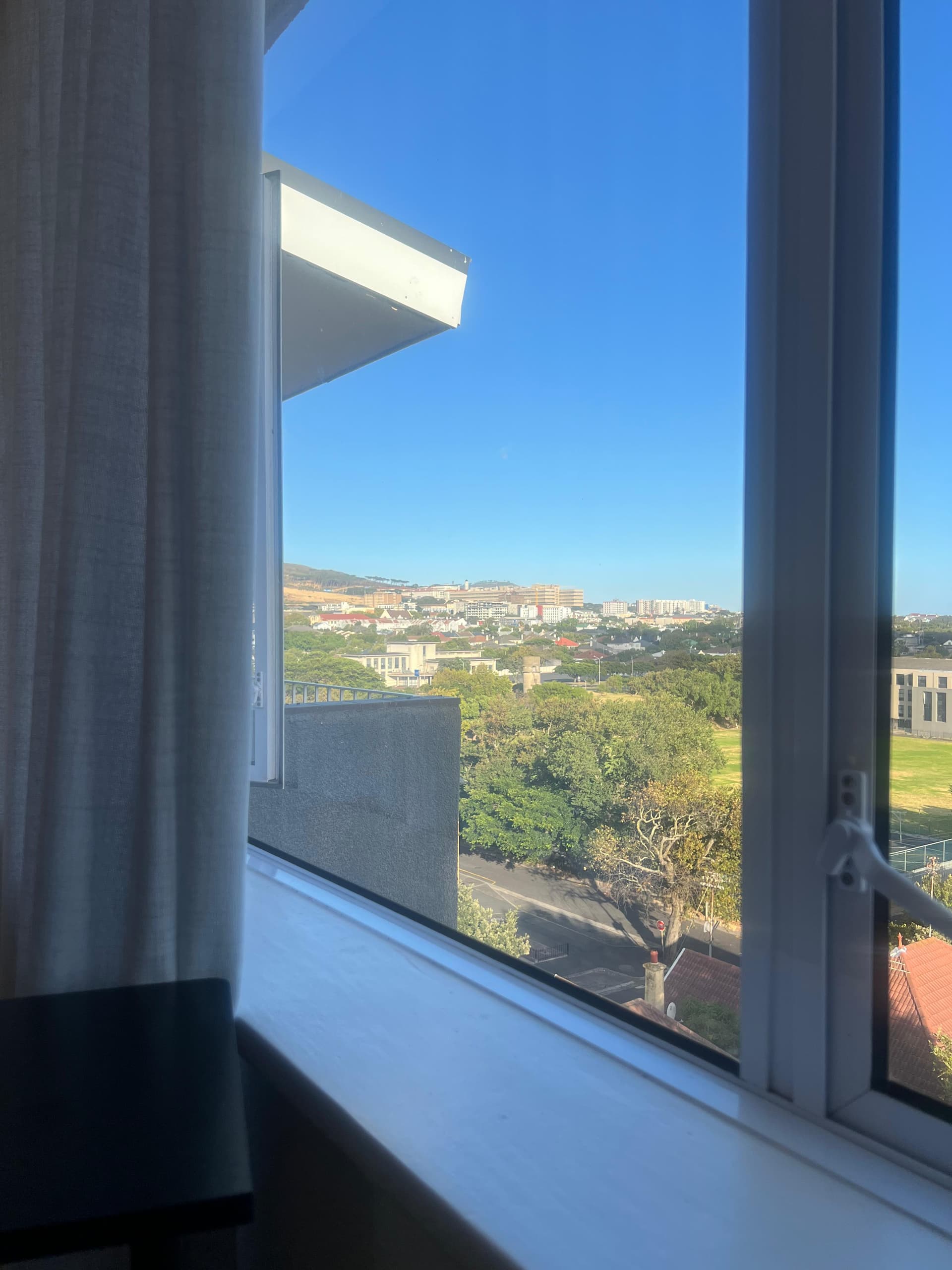
From my window, Cape Town was still quiet. The city had not fully stretched awake yet. In clear view stood Groote Schuur Hospital, unassuming and almost ordinary at a glance. And yet, 59 years ago, something extraordinary happened there.
It was in that building in 1967 that the first successful human heart transplant was performed.
As I stood there, I could not help but pause.
How did something so globally transformative emerge from here, from Africa, a continent so often described through the language of lack, limitation, and what is not possible?
That question stayed with me.
The story of the first heart transplant is often told as the story of one man, Christiaan Barnard, but it is really a story about possibility. About what happens when human brilliance meets just enough institutional support, courage, and timing.
It reminds us of something uncomfortable but important. Africa’s challenge has never been a lack of talent or intelligence.
Brilliance has always existed here.
What has been inconsistent are the systems that allow brilliance to compound, spread, and repeat.
Groote Schuur Hospital was a pocket of excellence, connected to global research networks, staffed by world class professionals, and willing to take risks when others hesitated. In many places across the world, surgeons had the technical knowledge. But here, the conditions aligned just enough for history to move forward.
That alignment, not geography, is what creates breakthroughs.
Standing there this morning, thinking about what 2026 might bring, I realized why this view matters.
It is proof that innovation does not belong to one continent. World changing ideas are not the monopoly of so called developed destinations. Constraints do not eliminate possibility. They shape it.
Africa’s future will not be decided by destiny, nor by narratives inherited from the past, but by whether we build systems that consistently convert potential into progress.
As I kept looking out at Groote Schuur Hospital, one final thought settled in.
Breakthroughs do not happen by accident. They happen when talent meets infrastructure.
That is the lesson this building still teaches.
It is also the principle behind Mozisha.
At Mozisha, the aim is to help build Africa’s AI readiness infrastructure by ensuring that African talent is not only visible to the global economy, but genuinely prepared to participate in it at the highest level. This means investing in human capital, creating pathways for world class work, and building systems that allow excellence to scale rather than remain isolated.
If Africa produced the first human heart transplant when the right conditions aligned, then there is no reason it cannot produce the next generation of AI builders, researchers, operators, and innovators, provided the infrastructure exists to support them.
The future will not be decided by where intelligence exists. It will be decided by where intelligence is enabled.
As 2026 begins, that is the work ahead.
Not proving that Africa has potential.But building the systems that finally allow it to compound.